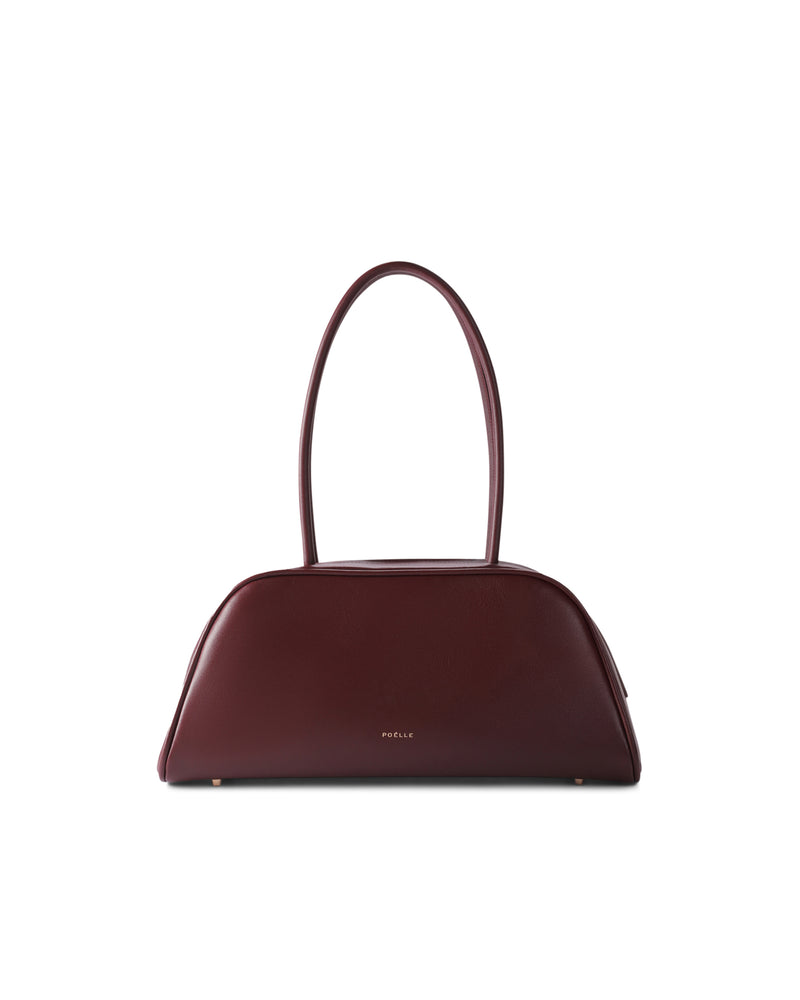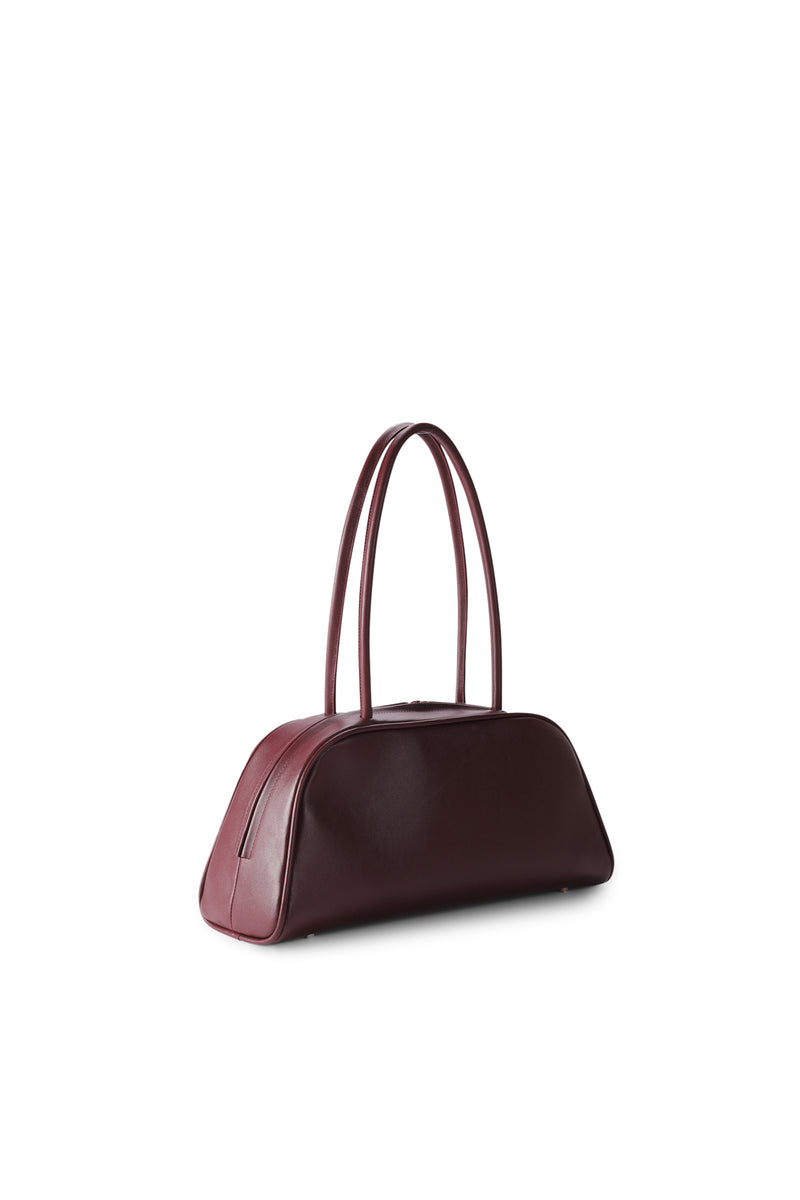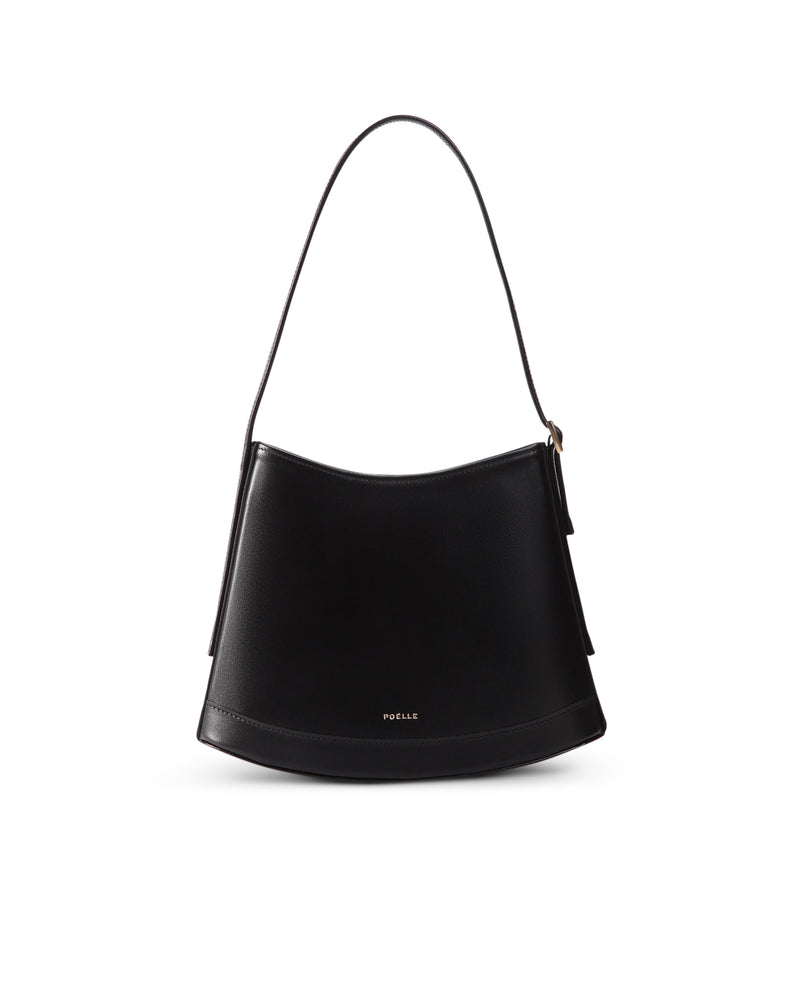



- April 02, 2026
Luxury Leather Handbags: Materials, Craftsmanship, and How to Evaluate Quality
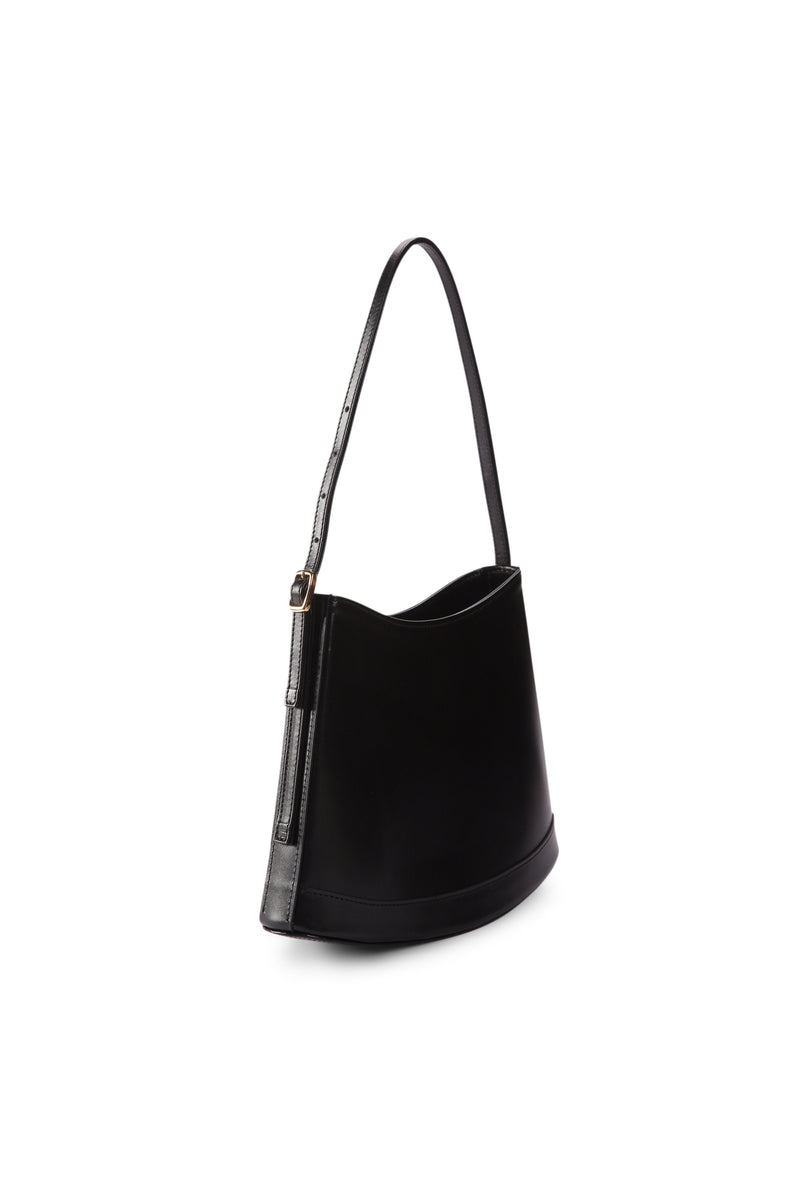
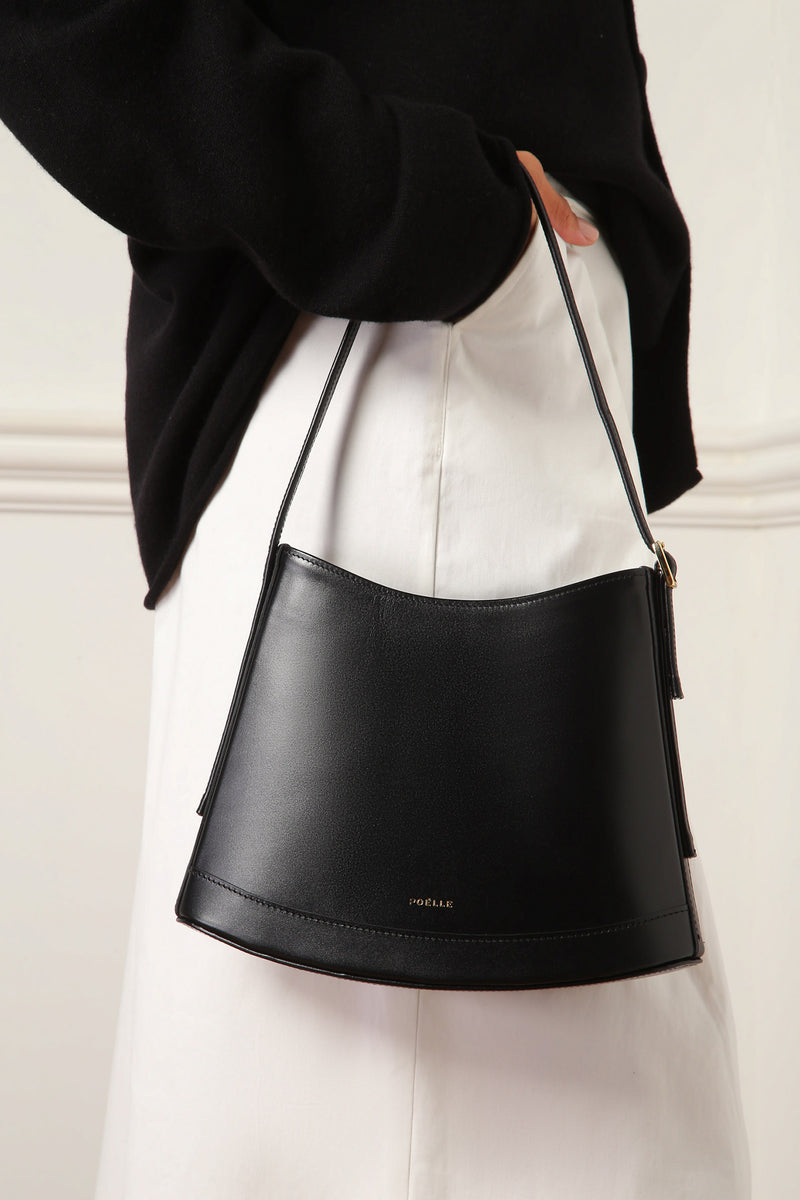
Luxury leather handbags are typically defined by the quality of the hide, the tanning and finishing methods, precision construction, and durable hardware. This guide explains practical checkpoints you can use to assess materials and build quality in-store or online, without relying on brand reputation alone.
Because leather is a natural material, appearance and feel can vary even within the same category. The goal is to identify indicators that correlate with longevity, repairability, and stable aging over time.
What "luxury" means in leather handbags (in practical terms)
In a product-evaluation context, "luxury" usually points to higher-grade leather selection, consistent pattern cutting, reinforced stress points, and components chosen for long service life. It also often includes better finishing control (edge paint or turned edges, clean glazing) and more predictable quality inspection.
These factors are measurable: you can examine leather thickness and temper, stitch density, edge finishing, hardware attachment, and interior structure. Together, they influence how the bag resists stretching, sagging, delamination, and premature wear.
Leather types used in luxury leather handbags

Leather terms are often used inconsistently in retail, so it helps to focus on what the term implies about the surface and durability. Two broad categories are full-grain (the outermost layer with the natural grain intact) and corrected-grain (the surface is sanded or buffed, then finished to create a more uniform look).
Common leathers used for luxury handbags include:
- Full-grain leather: The grain surface is intact; it often develops a patina and can be durable when the hide is well selected.
- Top-grain (often corrected-grain): A category that can include lightly corrected surfaces; durability depends heavily on the finishing system and thickness.
- Suede and nubuck: Buffed surfaces with a soft handfeel; they can show marks more easily and generally require more maintenance.
- Embossed leather: A pattern is pressed into the surface; it can improve visual uniformity and scratch masking, but longevity depends on the base leather and finish.
Tanning and finishing: how they affect aging and maintenance
Tanning stabilizes the hide so it does not decompose and gives it a usable temper (firmness and flexibility). The two most common systems are vegetable tanning and chrome tanning; many modern luxury leathers also use combination tanning to balance structure with softness.
Finishes influence scratch resistance, water sensitivity, and how the bag ages. A heavily pigmented or coated finish can be easier to keep clean but may show wear at high-friction areas (corners, edges) differently than an aniline or semi-aniline finish, which tends to show natural variation and can develop patina.
Construction quality checks you can do quickly

Construction is often a stronger predictor of long-term performance than branding. When possible, evaluate the bag under good lighting and handle it as you would during daily use: open and close it, lift it by the handle, and check stress points.
Stitching and seam alignment
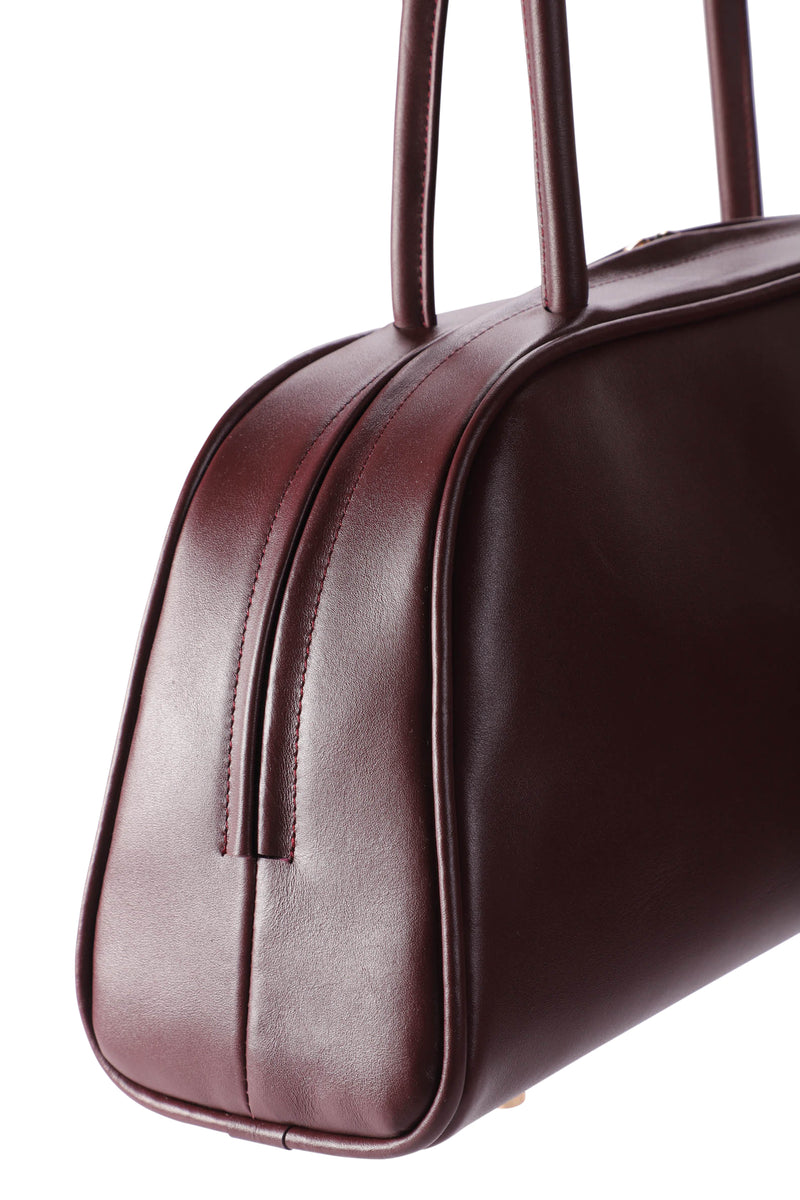
Look for consistent stitch length, straight lines, and symmetrical alignment across mirrored panels. Uneven stitch tension, skipped stitches, or misaligned seams can indicate weaker assembly control and may become failure points under load.
Edge finishing (edge paint, turned edges, or binding)
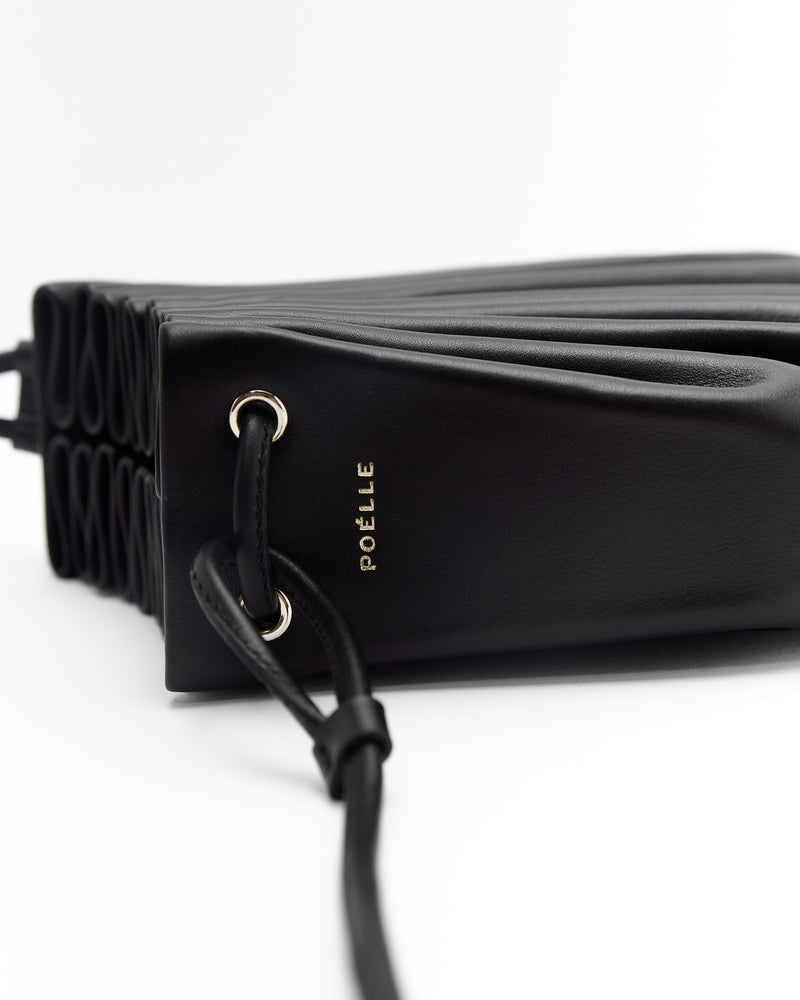
Edges should feel smooth and sealed, without tackiness, bubbling, or cracking at folds. On edge-painted bags, multiple thin coats with clean sanding between coats typically wear better than a single thick layer; turned edges reduce exposed edge paint but require more labor and precision.
Reinforcement at handles, strap anchors, and corners
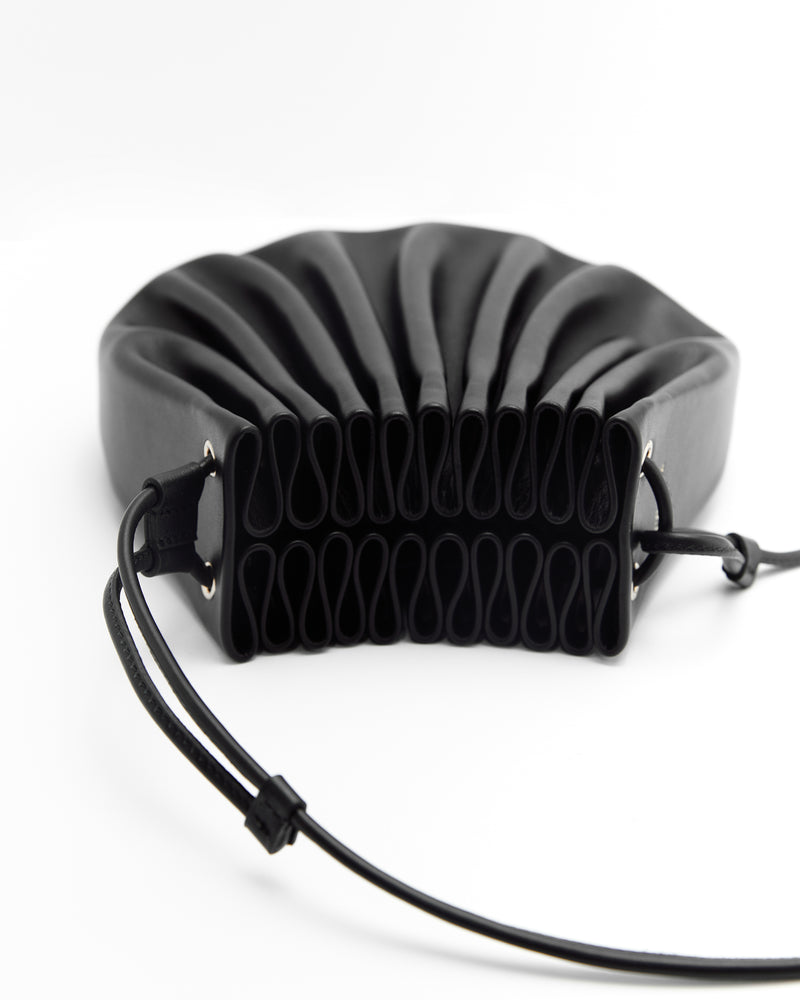
Handles and strap anchors should have visible reinforcement such as additional stitching, rivets, or layered construction, depending on design. Corners should feel structured and well protected, because corner abrasion is a common wear pattern in daily carry.
Hardware: what to look for beyond color and shine
Hardware affects function and can be a frequent repair area, so evaluate it as a mechanical component. Test zippers for smooth travel without catching, and check whether zipper teeth align cleanly at the end stop.
For clasps, locks, and magnetic closures, check that parts meet flush and release predictably. If the bag uses detachable straps, inspect clasps and D-rings for solid attachment and minimal wobble; sharp edges on hardware can accelerate leather wear at contact points.
Lining and interior structure: durability indicators
The interior influences how well a bag holds shape and protects contents. A structured base, reinforced pocket openings, and cleanly finished internal seams reduce stretching and tearing, especially in frequently used compartments.
Lining materials vary widely. Leather or high-density woven textiles can be durable, while very thin synthetics may tear at stress points; regardless of material, assess how it is attached and finished around zippers, pockets, and the top edge.
Fit for purpose: choosing a style that will wear well for your use
Different handbag styles distribute weight differently, which changes wear patterns. Totes and large shoulder bags often experience higher handle stress and base sag, while small crossbody bags can show strap-attachment wear and corner abrasion from constant movement.
Before buying, match capacity and carry method to what you actually carry. Overloading a small structured bag can deform panels and strain closures; conversely, a large unstructured bag may lose shape quickly if it lacks a reinforced base.
Care basics that preserve leather and structure
Routine care reduces irreversible wear. Keep the bag away from prolonged heat and direct sunlight, avoid storing it compressed, and remove contents during long storage to reduce stretching.
Use a dust bag for storage and consider a bag shaper only if it does not force seams outward. For cleaning and conditioning, follow the maker's guidance when available, and test any product on an inconspicuous area first because finishes can react differently to conditioners and cleaners.
FAQ
Is full-grain leather always better for luxury handbags?
Not always. Full-grain leather can be durable and age well, but overall performance also depends on hide selection, thickness, tanning, and construction quality.
What are common early warning signs of poor handbag construction?
Common signs include uneven stitching tension, misaligned seams, edge paint that feels gummy or already shows micro-cracking at folds, and hardware that catches or feels loose at attachment points.
How can you tell if a bag is likely to sag over time?
Sag risk increases with soft temper leather, minimal internal structure, and an unreinforced base. Large totes are especially prone to base sag when they are regularly carried with heavy items.
Do coated or highly finished leathers last longer?
They can resist stains and surface scratches better, but coatings may show wear at corners and edges as the finish abrades. Longevity still depends on leather thickness, adhesion of the finish, and construction at high-friction areas.
How should a leather handbag be stored to protect its shape?
Store it upright or supported so panels are not creased, keep it in a dust bag, and avoid hanging it by the straps for long periods. Remove heavy items and avoid overstuffing during storage.